Surface Preparation and Painting Tips

The preparation of a surface is 90 percent of painting job. Even the highest quality paint won’t adhere properly if the underlying surface is not prepared properly. Good surface preparation means clean and smooth surface.
Tips for Surface Preparation
- Allow newly plastered surface to mature for a period of at least 6 months before painting.
- Rectify existing surface problems such as dampness, cracks etc. before actual painting process.
- Check for hand prints, greasy fingerprints, algae as well as dirt and stained marks.
- Use a scraper, putty knife or scrub brush to remove any dirt, grease, rust, or flaking.
- Fill in the holes, cracks and joints with plaster.
- Clean and dry the surface.
- Make sure the area to be painted is well ventilated as well as free of dust.
- As far as possible, don’t paint under much humid conditions.
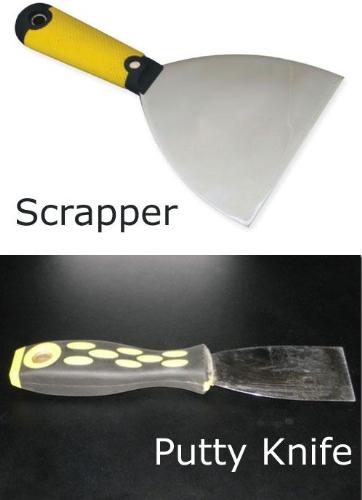
Tools you can use to prepare surface before paint
(This Picture is Contributed by "Keshav")
Do before starting painting work
-
Remove materials such as light fixtures, curtains and their rods etc. from the room to protect them paint splashes. The materials which cannot be removed out should be placed at the center and be covered with a canvas or plastic sheet.
-
Place a large bin with a plastic bag to gather debris or paint splashes. A dirty work place is not only unsafe but can slow the process of painting also. Also make use of canvas to cover the floor to avoid paint splashes.
-
Insert nails and hooks for pictures. Fill the holes made by nails with plaster and sand before painting again.
-
Use painter’s tape to cover up the area that you do not want to paint. Also do the same for doors, windows and ceilings that you can not remove.
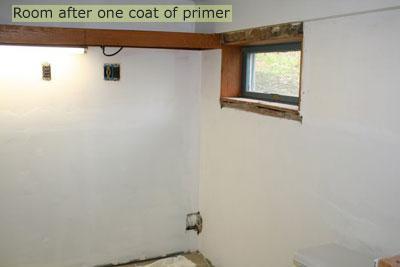
This is how your room will look alike after base coat or first coat of Primer
(This Picture is Contributed by "Keshav")
-
Make use of protective measures such as leather gloves, respirator all the time while doing scrap.
-
Sand the wood lightly in case of new woodwork for new paint.
-
Use a solution of washing soda to clean walls so that the walls can easily accept the paint.
-
Damp sponge into the solution and apply on the ceiling first and then on the walls from bottom to top.
-
Strip layers of paint using a chemical stripper or a heat gun to remove old layers of paint on wood work. Keep a distance of one foot while using heat gun and remove the paint as it flakes.
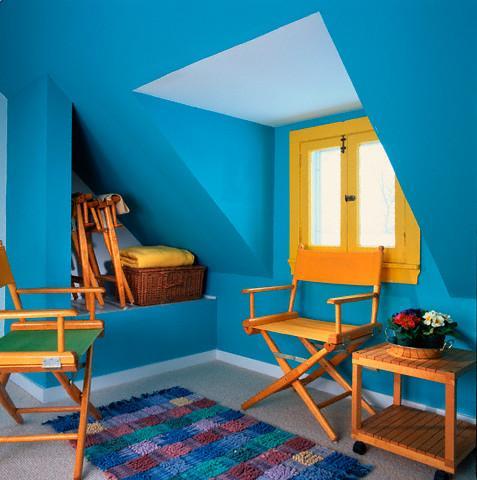
End result of so much hard work and these tips may be this...
(This Picture is Contributed by "Keshav")
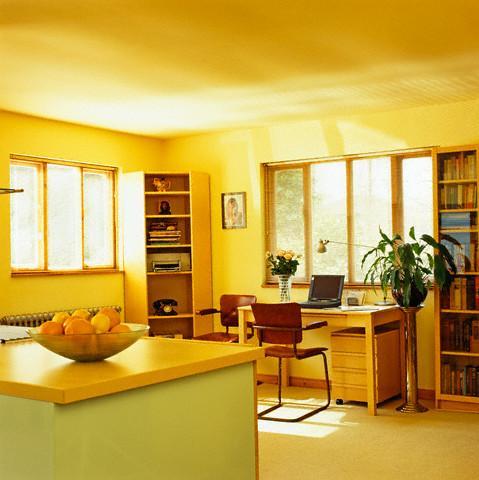
Or this. How sweet...
(This Picture is Contributed by "Keshav")
Checklist for Painting Work
- Check all masonry surfaces, voids, pores and cracks are filled with filler. Make sure the wood surface is free from all loose dust. Smoothly rub it with Emery paper).
- Check all nail holes, cracks and other defects in wood surfaces are properly filled and smoothed.
- Apply sandpaper or wire brush to remove rust, grease, oil and loose mater etc. on steel surfaces. The surface should be dry and free from moisture.
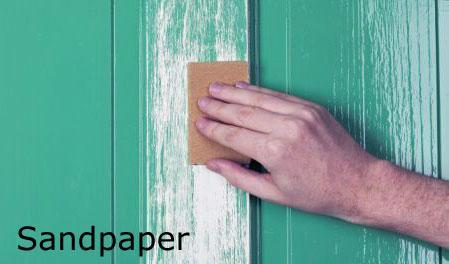
(This Picture is Contributed by "Keshav")
- Check the use of primer on painting of new surfaces.
- Ensure adherence and reliability of old paint in repainting works.
- Verify quality and make of the paint.
- Confirm uniformity of thickness for application of each coat of paint.
- Observe painted surface for paint drops, brush marks, waves and for variation in color, texture and finish.
- Check the places that are difficult to reach such as edges, corners, gaps, cracks. Ensure the joints, bolts and nuts are properly painted.
- Check the paint which falls on floors and walls etc. is completely cleaned and glass panes are clean.
Coverage Area per Coat
| S.No | Name of paint | Area coverage of one coat (old work) | Area coverage of two coat (new work) | Area coverage per additional coat |
| 1 | Synthetic enamel paint |
14 sq mt/lt. |
8.5 sq mt/lt |
18 sq mt/lt |
| 2 | Plastic emulsion paint |
14 sq mt/lt |
8.5 sq mt/lt |
18 sq mt/lt |
| 3 | Oil bound distemper |
10 sq mt/kg |
6.0 sq mt/kg |
12 sq mt/kg |
| 4 | Dry distemper |
14 sq mt/kg |
6.5 sq mt/kg |
12 sq mt/kg |
| 5 |
White wash |
10 sq mt/kg of time | 4.5 sq mt/kg of lime | 10 sq mt/kg of lime |
| 6 | Cement based paint |
4.5 sq mt/kg |
2 sq mt/kg |
6 sq mt/kg |
| 7 | Aluminum paint |
20 sq mt/lt |
12.5 sq mt/lt |
28 sq mt/lt |
| 8 | Bituman paint/black japan |
14 sq mt/lt |
14 sq mt/lt |
28 sq mt/lt |
| 9 | Neeru(or lime punning with slacked lime) over plaster | 0.5 sq mt/kg of slacked time | __ | __ |
| 10 | Red oxide metal primer | 16 sq mt/lt(new work before painting) | __ | __ |
| 11 | Cement primer | 12 sq mt/lt (new work before painting) | __ | __ |
| 12 | Wood primer | 13 sq mt/lt(new work before painting) | __ | __ |
| 13 | Wax polishing of new wood work with ready made polish |
20 sq mt/kg |
12 sq mt/kg |
20 sq mt/kg |
| 14 | French or spirit polish |
10.5 sq mt/lt |
8 sq mt/lt |
10 sq mt/lt. |
| 15 | Varnish |
14 sq mt/lt |
8.5 sq mt/lt |
18 sq mt/lt |
;
 Kota stone flooring is a subtle blend of grandeur and luxury giving the interior and exterior a gorgeous look.......
 To get maximum ventilation and natural light in your house, make sure the building is properly oriented. Orientation of building saves energy and provides comfortable living as well. This article tells you about various factors and benefits of building orientation.
 Preview some of the most impressive pictures of kitchen from GharExpert Gallery.
 A solid roof on building is very important for everybody living in the house. The roof should be constructed in a way that assures you great safety. Here are given details about different types of roofing.
 Frames of doors and windows are most important parts of your doors and windows. They are available in different size, height, width and shapes. Frames hold locks and hinges and support door and windows to shut and open easily. Here is what you need to know about different doors and windows frames.

Tool to be used for surface preparation before paint

faux painting wall art paint pattern

colorful wall paint pattern done in deco paint

wall paint design done in paint

Kitchen preparations

Cement Concrete Surface

Cracked surface

Newly Plastered Surface

Newly Plastered Surface

showroom surface lighting

Cement Concrete Surface

Vastu Tips

Four Way Divertor With Two Nos Concealled Stop Cock With Wall Spout Tip For Tube

Buying tips for Marble Stone

Kitchen Lighting Tips

Gardening Tips for Beginners

Vastu tips for office

Tips for Whitewash

Painting a wooden stool

Ethnic Paintings
Tool to be used for surface preparation before paint
Kitchen preparations
Cement Concrete Surface
Cement Concrete Surface
Cracked surface
Newly Plastered Surface
Newly Plastered Surface
showroom surface lighting

Striped paint on wall

Texture Paint

T style ceiling design in blue painted room

Wine colored paint on the wall, Simple wooden bookcase, Dining Room Wooden Furniture

Dining room ceiling, wall painting, curtains, Lighting, furniture

Bedroom furniture in teak and red colored paint on walls

Victorian style Drawing Room with furniture, decorative mirrors and painting

Master Bedroom Interior, Walls, Furniture, Attached bathroom, Paint, LCD,etc

Modern Living room sofa, LCD Unit, Paint, Wall and Lighting Design

color combination for Ceiling dome paint

Look at the painting of the wall

wall painting design

Attractive white painted and marble top kitchen islands

Texture Bedroom Wall Paint

Wall Paintings

Wall Paint Design for Kids Room

painting

Stylish Ceiling and painted glass design for interior

Chandelier on gray painted ceiling

Tradionally painted work on ceiling

interior painted ceiling

Wall texture paint

striped pattern made with paint in wall

Dining room set painted in dual tone

Internal stairs

exterior paint design

Paintings

Rose Weave Bird Bath.jpg

Glass Painting

artist painting

3D painting

Wall-Painting design

Red Hot look Bedroom

sea shore theme for kids room paint ideas

Person doing paint on exterior wall

wall paint

Painted Glass Ceiling

Striped pattern paint and wooden ceiling for restaurant

Paint Spray Gun

Attractive scenery design as kids room paint ideas

Wall Paint Design with Ethnic Chairs