Textured Paint

Textured paints offer matchless beauty and can provide substitute for missing texture in plaster. The textured paint finish is available in many color trends such as metallic finishes gold, silver and copper. Glossy and shiny finish of textured paint can also be obtained. These paints can be done on walls and ceiling easily and quickly. Textured paints of different colors are becoming popular for home/interior decoration and may be used an alternative to wall papers.
Textured paints provide excellent protection against changes in atmosphere; withstand fairly well extremes of heat, cold and rain. These paints contain special additives which provide good protection against Alkali and ultra violet rays. The paints are extremely resistant to Fungs and Algae, peeling, flaking and fading and stay bright. Textured paints are thick enough to cover minor defects, uneven surface damage and imperfection in walls and add a fresh look to the beauty of walls/surfaces.
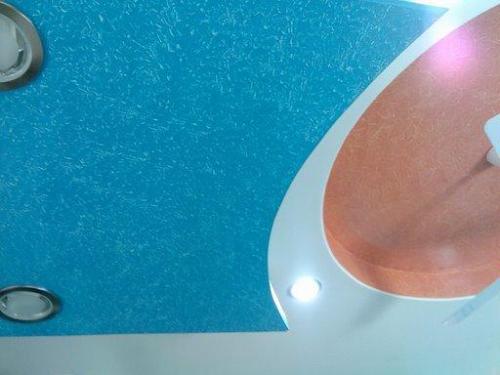
Textured painting varies from slightly gritty look of sand stone or marble stone or wooden appearance and which can add deep look of the texture. Premixed textured paint available in the market can directly be applied on the surface. The premixed form of textured paint containing small, gravel like particles has grainy appearance.
Categorization of Textured Paints
- Smooth Texture giving a stucco effect.
- Sand Texture, the effect of which is slightly rough (like sand paper) because of added sand particles.
Quality, type and color of textured paint have big role in hiding imperfections of wall. By applying high quality paints imperfections can be covered. But in case of low quality paints it is very difficult to hide defects because it requires more coats. Dark and intense color may require multiple coats and hide streaks. To get best quality finish, use high quality flat paint to hide imperfections and defective area.
How to pick textured paint?
These textured painting ways add a textured look to the beauty of walls. You can create design patterns according to your liking but it is very difficult to select design patterns as it comes with a few options. To obtain good ideas about texture patterns or designs, the best way is to look at model houses, go through magazines or pick sample cards showing different finishes available with paint dealers.
Getting required designs and patterns
Sometimes glazes are used to get decorative paintings but these paintings are quite different from standard latex and oil based paints. To get required design and patterns, multiple thin layers of paint are applied. To achieve textured surface, simple tools are required such as textured roller, sponges, rags, brush, trowels, putty knives and spray-painting equipments.Prepare surface before you apply textured paint
Before applying textured paint, check if the surface has any holes or damages. Make sure the surface is free from dust. It should be cleaned with the help of broom and cotton cloth.
How to do textured painting?
Don’t forget to cover surrounding furniture and flooring with protective materials. Painting should not be done in adverse weather condition like hail storm and dust storm. Brush painting should be done for small works.
Methods of Textured Painting
- Brush Painting
- Roller Painting
- Spray Painting
How to do brush painting?
Brush painting method is applied for small textured painting works. Clean the surface, brush and container, used for keeping the paint during application. Apply paint only after contents of paint in drum are mixed thoroughly. Apply the paint with brush first by using vertical strokes until the surface is fully covered. You should apply brush painting across with light strokes to smooth laps and brush marks for complete coverage. Lay off with vertical strokes finally. Brush painting is mostly used for whitewash or common painting.
How to do roller painting?
Roller painting method is typical and takes more time than spray painting. Application of textured painting with roller provides durable textured painting in long run. This painting method provides better base for re-painting also. The process of textured painting provides thicker paint which is more resistant to stains and mildew.
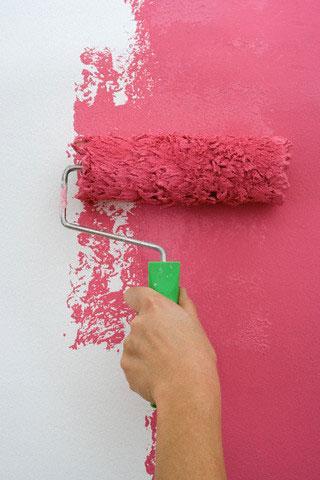
In this method acrylic latex paint is used; which bonds to the surface tightly and therefore lessens chances of loosening and falling down of texture paint. After surface preparation ‘Roller Painting’ should be done by skilled painter. If unskilled painter is deputed on job, painting work may result in patchy and inconsistent work. It’s done as follows.
- Clean surface, roller and container before starting the painting work.
- Mix contents of the paint thoroughly before application.
- Dip roller in mixed paint and run it from top to bottom.
- Again dip roller and run it adjacent to the above applied area from bottom to top.
- Run roller without dipping it in paint horizontally and vertically on applied paint coat to spread it uniformly.
How to do spray painting?
Spray painting is more popular method of textured painting and is specially done in textured painting of ceiling. The painter should be skilled enough to do the job. Spry painting is easy method and takes less time than rolling painting do. This painting is done through spray machine as follows.- Clean the surface, spray machine and container before starting painting work.
Benefits of textured paint
- Strong in nature
- An alternative to wall papers
- Decorative in appearance
- Needs less maintenance
- Protects against Alkali and ultra violet rays.
- Cover uneven surfaces and imperfection of walls
- Available in metallic finishes gold, silver and copper
 Kota stone flooring is a subtle blend of grandeur and luxury giving the interior and exterior a gorgeous look.......
 To get maximum ventilation and natural light in your house, make sure the building is properly oriented. Orientation of building saves energy and provides comfortable living as well. This article tells you about various factors and benefits of building orientation.
 Preview some of the most impressive pictures of kitchen from GharExpert Gallery.
 A solid roof on building is very important for everybody living in the house. The roof should be constructed in a way that assures you great safety. Here are given details about different types of roofing.
 Frames of doors and windows are most important parts of your doors and windows. They are available in different size, height, width and shapes. Frames hold locks and hinges and support door and windows to shut and open easily. Here is what you need to know about different doors and windows frames.

Textured Paint

Texture Paint

Brown wall texture paint

Green wall texture paint

Blue wall texture paint

Yellow wall texture paint

Wall texture paint

Texture Paint in Living Room

texture paint

Wall texture paint

red pattern over golden net textured paint design

small flowers texture paint

sponge texture paint in red color

drawing room wall textured paint pattern

texture paint with blue and green shade

textured paint in red shade for ceiling

textured paint on exterior wall

Bedroom picture with simple bed and texture paint on corner

texture paint design on wall

lcd unit in wood combined with textured paint in the back to reduce cost
Texture Paint

Girls Room

Texture

WALL TEXTURE FOR A BEAUTI PARLOUR

Cool wall treatment

kids room 8

Kids Room

Living room TV unit wall texture
Textured Paint

beautiful wall texture

Bedroom design

Cool trendy bedroom interior

Living Room,Alive with Colours

Poster Bed

Bedroom

Blue Textured Room...

Light yellowish paint scheme with floral patterns in kids room with well furnished furniture

Concrete Wall Texture in Bathroom

Wall-Painting design

3D painting

artist painting

Glass Painting

exterior paint design

Dining room set painted in dual tone

striped pattern made with paint in wall

Kids room wall art
Wall texture paint

interior painted ceiling

Tradionally painted work on ceiling

Chandelier on gray painted ceiling

Stylish Ceiling and painted glass design for interior

Popcorn Ceiling Texture

painting

Dining room ceiling, wall painting, curtains, Lighting, furniture

Wall Paint Design for Kids Room

Texture Bedroom Wall Paint

Attractive white painted and marble top kitchen islands
lcd unit in wood combined with textured paint in the back to reduce cost
drawing room wall textured paint pattern
textured paint on exterior wall
textured paint in red shade for ceiling
red pattern over golden net textured paint design

Kids Room

sea shore theme for kids room paint ideas

Design of flooring texture

Person doing paint on exterior wall

wall paint

Painted Glass Ceiling