Daylighting

Do you want to enjoy natural light in your home? Go through daylighting concept which offers natural light and effective illumination through windows, ventilators, skylights etc. and reduces lighting/energy bills also. Daylighting is the practice of fixing of windows, doors and ventilation devices while designing a building. It maximizes visual comfort and minimizes energy bills. Energy savings can be achieved from energy efficient artificial lighting or from solar heating or cooling.
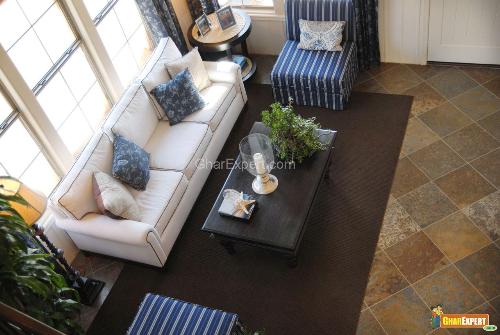
Daylighting creates visually inspiring and productive environment for occupants of the house and can reduce 30 to 40 % of total energy costs. It reduces the need of artificial lighting in a building. Daylighting from window openings or skylights depends on the level of window and accessories. While designing daylighting, it needs to control glare and make provisions for variation in availability of daylight. Daylighting depends on color of walls, ceiling and floors such as light color reflects more light than dark color. It also depends on size, shape, level, spacing, and choice of glass for windows, colors of interior finish, location and position of partition wall to maintain daylight.
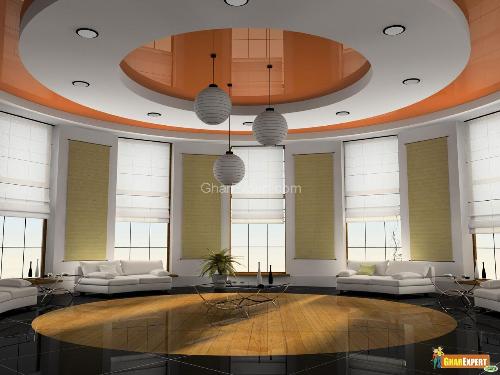
What are sources of daylight?
The Sun is primary source of daylighting and sunlight consists of following two parts.
- Direct solar light
- Sky radiation
Direct solar light is not taken into consideration whereas sky radiation is considered while designing daylighting in homes. The value of sky radiation depends on the position of Sun defined by its altitude, which changes with the change in altitude of the area. Sky radiation also depends on time and day of the year.
What is daylight factor (DF)?
The quality of daylight in a room is called daylight factor (DF). DF is the ratio of outside illumination over inside illumination. Daylight factor is independent for absolute brightness of sky but it depends on surface distribution. The intensity of daylight in a room is subject to frequent fluctuations and harshness. It is found more or less constant when the sky is clear or overcast.
Higher value of DF means that there is more natural light in room; which creates problems of harsh shadows and severe brightness imbalances resulting in glare. Direct sunlight also brings undesirable heat in summer. The value of DF can be measured for specific point. Standard height should be 0.85 meter or 850 mm in a grid taking total floor area of the room to calculate DF.
Components of daylight factor (DF)
Daylight factor includes following components from inside and outside portions of the house.
- Direct sky visibility
- Outer surfaces reflecting light
- Internal surfaces reflecting light
How much energy and light DF requires?
- When DF is more than 2%, the room looks like gloomy and requires electric lighting for appearance and thermal purposes.
- When DF is 2% to 5%, the room has daylight appearance but additional artificial lighting is needed. There is low requirement of energy for light and thermal purpose.
- When DF is more than 5 %, the room has enough daylight. There is no requirement of electricity for lighting purpose but due to high temperature, the heat is gained in summer whereas it is lost during winter. So energy is required to maintain thermal comfort/temperature.
Requirements of Daylighting
Different tasks need different amounts of lights for same visual efficiency. The following points can be used to determine correct amount of light for any task.
- Characteristics of task: nature of tasks, contrast of colors with back ground and closeness of task to eyes.
- Eyesight of worker: Old workers/people need more light to do a task.
- Speed and Accuracy: Speed and accuracy are required for good performance. To avoid errors in work much light is needed.
- Ease and comfort of working: Lengthy and sustained tasks can done easily.
Benefits of daylighting
Reduced Energy Cost
You can minimize cost of artificial lighting and reduce energy bill also. Daylighting reduces HVAC (Heating Ventilating and Air Conditioning). There is very much heat produced by electric lighting or artificial lighting but if daylight is controlled properly, it will generate hardly any heat. In commercial building you can save 30 to 40 % electricity cost and can reduce 15 to 20% cooling cost as well.
Good Environment
Daylighting minimizes the need of electricity and thermal comfort. This saves natural resources like water, fuel etc and also reduces green house gases and slows fossil fuel depletion and thus helps in making environment healthy.
Strong Health
Daylighting offers healthy living environment. Ultraviolet light coming from the sun creates Vitamin D which produces calcium for healthier bones and teeth. Human eyes turn daylight into electrical impulses releasing chemical serotonin which is essential for emotional pleasure. Lack of daylighting can lead to Seasonal Affective Disorder (SAD).
Enhanced Learning
Good daylighting in school libraries increases students’ concentration power up to 50 %. It increases their learning capacity and reduces stress level of them also.
Better Productivity
Daylighting provides freshness and enhances efficiency and creative power. It has direct impact on productivity and sense of satisfaction. Everyone feels comfortable in daylighting which enliven the space. Most people prefer to work in natural light and want to make full use of it. ; Superb craftsmanship on wood articles plays a dominant role in making your home wow. A professional carpenter is required to do this job well for your home. This article gives you some useful tips on how to hire a qualified carpenter to make your home excellent.
 Rain is fun but the fun may not last if your home fails to protect itself and its occupants from the elements. This write up lists 10 things you should check before the start of the rainy season.
 Do you know unhygienic indoor air can create risks to our lives? It can cause asthma, allergic diseases and respiratory problems. This article lets you know several causes and remedial measures of indoor air quality.
 Do you know almost all individual home construction projects in India take more money to complete than what people originally plan? If planned properly, we all can save 10% or more on our home construction projects. GharExpert.com has collected a series of articles where our objective is to share with you all the tricks that you could use to save money in building your dream home!
 Proper ventilation freshens our breaths and leads us a healthy life. If you design or modify the house with maximum ventilation by installing proper windows and ventilators which gives more light and fresh air in the building.
 Take utmost care to avoid dust during day long activities else the dust causes asthmatic problems to your lungs.
 Smoke ruins not only our stamina but limits all options to live also.
 The selection of a site depends upon ones present and future spatial requirements, the envisaged available funds, one’s lifestyle.
 The whole building should be constructed at one time to avoid settlement in any portion of the building.
 Everyone wants to build a dream home but no-one wants the hassle that comes in day-to-day construction work. Here are the guidelines that can help you pick a good contractor and make sure the relationship stays smooth throughout the construction work.
 Bacteria affect the health of the occupants of the house adversely. By adopting the following points during construction
 GharExpert.com would like to thank Rajni Jhabak, Amika Rai and Love Thy Community for their contribution to GharExpert database.
 Kota stone flooring is a subtle blend of grandeur and luxury giving the interior and exterior a gorgeous look.......
 To get maximum ventilation and natural light in your house, make sure the building is properly oriented. Orientation of building saves energy and provides comfortable living as well. This article tells you about various factors and benefits of building orientation.
 Preview some of the most impressive pictures of kitchen from GharExpert Gallery.
 A solid roof on building is very important for everybody living in the house. The roof should be constructed in a way that assures you great safety. Here are given details about different types of roofing.
 Frames of doors and windows are most important parts of your doors and windows. They are available in different size, height, width and shapes. Frames hold locks and hinges and support door and windows to shut and open easily. Here is what you need to know about different doors and windows frames.

Living area Daylight

Daylighting

3D bedroom design with daylight window

bedroom with daylight window

down ceiling
Daylighting